



















 February 25, 2026
Nasi Padang is one of Indonesia’s most famous and beloved traditional foods, originating from Padang, the capital city of West Sumatra. More than just a simple rice dish, Nasi Padang represents centuries of culture, migration, trade, and culinary artistry of the Minangkabau people. It is known for its bold spices, rich coconut-based sauces, tender meats, and the unique way it is served in Padang restaurants across Indonesia and around the world.
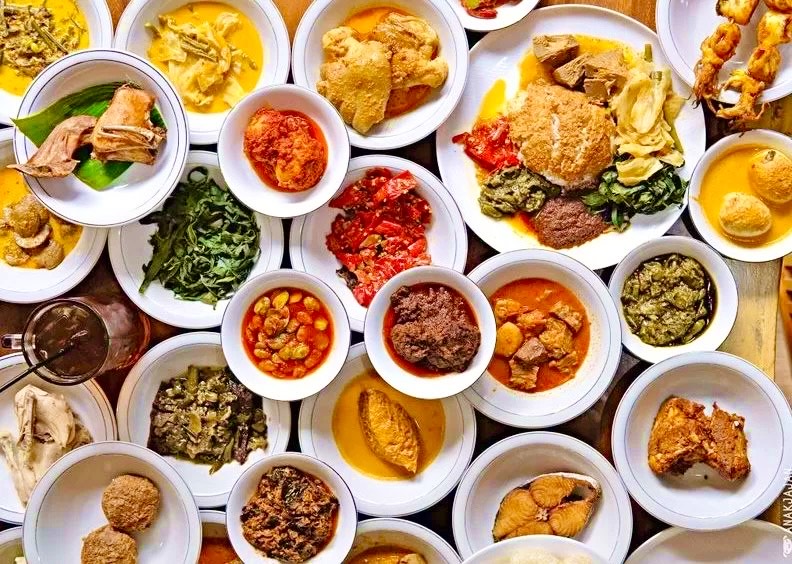
At its heart, Nasi Padang consists of steamed white rice accompanied by a wide selection of side dishes. These dishes are usually displayed in dozens of small plates stacked high in glass windows, creating a colorful and tempting presentation. Once customers sit down, servers may bring many small plates to the table at once, and diners only pay for the dishes they actually eat. This special serving style makes the dining experience both exciting and communal.
The history of Nasi Padang is closely tied to the Minangkabau tradition of merantau, or migration. For hundreds of years, Minangkabau men have traveled far from their homeland to seek education, business opportunities, and success. Wherever they went, they opened Padang restaurants and introduced their traditional cuisine to new communities. During the Dutch colonial period, these restaurants expanded into major cities such as Jakarta, Bandung, and Surabaya. Over time, Nasi Padang became popular nationwide and eventually internationally.
One of the reasons Nasi Padang became so famous is its distinctive flavor profile. The cuisine uses a complex blend of spices such as chili, turmeric, galangal, ginger, lemongrass, garlic, and shallots, often cooked slowly with coconut milk to create thick and aromatic gravies. These ingredients reflect Indonesia’s historical importance in the global spice trade. The slow-cooking techniques not only enhance flavor but also help preserve the food for longer periods, which was practical for traveling merchants in earlier times.
Some of the most iconic dishes served with Nasi Padang include Rendang, a slow-cooked beef dish simmered for hours in coconut milk and spices until deeply caramelized and tender; Gulai Ayam, a rich and creamy chicken curry; Dendeng Balado, thin slices of fried beef topped with spicy red chili sauce; and Sambal Balado, a fiery chili mixture that adds heat and flavor to eggs, fish, or vegetables. Each dish offers a different combination of textures and tastes, from spicy and savory to slightly sweet and smoky.
There are generally two styles of serving Nasi Padang. The first is hidang, where numerous dishes are placed on the table at once for guests to share. The second is pesan, where customers directly choose specific dishes from the display. Both styles emphasize abundance, generosity, and the importance of sharing food together.
Today, Nasi Padang is more than a regional specialty; it is a symbol of Indonesian national identity and pride. Padang restaurants can be found throughout Southeast Asia, Australia, Europe, and the Middle East, serving both Indonesian communities abroad and international food lovers who appreciate bold and authentic flavors. The sight of stacked plates in a restaurant window instantly signals comfort, tradition, and delicious food to many Indonesians.
In conclusion, Nasi Padang is not just a meal but a reflection of history, culture, migration, and resilience. From its roots in West Sumatra to its spread across the world, it carries the story of the Minangkabau people and their culinary excellence. Every plate of Nasi Padang tells a story of heritage and passion, making it a dish that is deeply loved and proudly celebrated. most try love it.









 Prev Post
What do you think?
Show comments / Leave a comment