



















 March 23, 2026
The birthplace of Siddhartha Gautama, who later became known as the Buddha, is Lumbini kapilvastu Nepal—one of the most sacred pilgrimage sites in the world for Buddhists.
Historical Background
Siddhartha Gautama was born around the 6th century BCE in Lumbini, which is located in present-day Nepal. At that time, the region was part of the ancient Shakya kingdom. His father, King Suddhodana, ruled the Shakya clan, and his mother, Queen Maya Devi, gave birth to him during a journey to her parental home.
According to tradition, Queen Maya Devi stopped in the beautiful gardens of Lumbini. While holding onto a branch of a sal tree, she gave birth to Siddhartha. This moment is considered sacred and is commemorated at the exact site today.
Sacred Sites in Lumbini
Maya Devi Temple
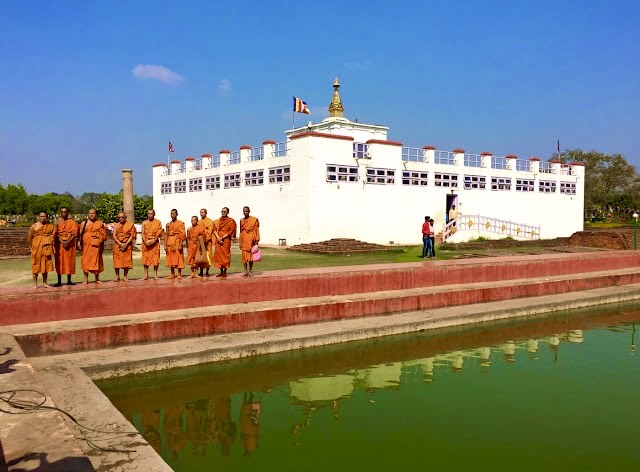
The most important site in Lumbini is the Maya Devi Temple. It marks the exact location where Siddhartha Gautama was born. Inside the temple, visitors can see ancient ruins and a marker stone believed to indicate the precise birthplace.
Ashoka Pillar
Near the temple stands the Ashoka Pillar, erected by Emperor Ashoka in 249 BCE. The inscription on the pillar confirms Lumbini as the birthplace of the Buddha, making it one of the earliest historical records related to his life.
Sacred Garden and Puskarini Pond
The surrounding sacred garden offers a peaceful atmosphere for meditation and reflection. The Puskarini is believed to be where Queen Maya Devi bathed before giving birth and where the newborn Siddhartha was first cleansed.
Religious and Cultural Significance
Lumbini holds immense importance in Buddhism as the starting point of the Buddha’s life journey. It is one of the four main pilgrimage sites associated with his life, alongside Bodh Gaya (enlightenment), Sarnath (first teaching), and Kushinagar (parinirvana).
Every year, thousands of pilgrims, monks, and tourists from around the world visit Lumbini to pay homage, meditate, and connect spiritually. The site is especially vibrant during Buddha Purnima, which celebrates the birth, enlightenment, and death of the Buddha.
UNESCO World Heritage Site
Lumbini has been recognized as a UNESCO World Heritage Site since 1997. Its preservation reflects its global importance not only as a religious destination but also as a site of historical and archaeological value.
Conclusion
The birthplace of Siddhartha Gautama in Lumbini is not just a geographical location—it is a symbol of peace, compassion, and spiritual awakening. From this humble beginning, the teachings of the Buddha spread across the world, influencing millions of people and shaping civilizations for over two millennia.









 Prev Post
What do you think?
Show comments / Leave a comment